
Skip to Content

ULI Global

  1. Global
    1. ULI Global
    2. Asia Pacific
    3. Americas
    4. Europe
  2. Knowledge Finder

    Explore our latest research and best practices

    For Members Only

  3. Member Directory

    Connect with members around the world

    For Members Only

  4. Navigator

    Find ULI opportunities to lead and volunteer

    For Members Only

  5. More
    1. Urban Land Magazine
    2. ULI Foundation
    3. ULI Learning
  1. Donate
  2. Contact
Join ULI
ULI Asia Pacific

Main Menu

  • About Us Will open in a new window About Us Show
    • Overview Will open in a new window
    • Mission & Commitments Will open in a new window
    • Leadership Will open in a new window
    • Career Opportunities Will open in a new window
    • Contact Us Will open in a new window
    • ULI Nominations Will open in a new window
  • Events Will open in a new window Events Show
    • Overview Will open in a new window
    • Asia Pacific Summit 2025 Will open in a new window
    • Upcoming Events Will open in a new window
    • ULI Asia Pacific REImagine Will open in a new window
    • ULI Asia Pacific Regional Conferences Will open in a new window
  • Membership Will open in a new window Membership Show
    • Overview Will open in a new window
    • Join ULI Will open in a new window
    • Benefits Will open in a new window
    • APAC Corporate Partnerships Will open in a new window
    • Frequently Asked Questions Will open in a new window
  • Councils Will open in a new window Councils Show
    • Overview Will open in a new window
    • Local Councils Will open in a new window
    • Product Councils Will open in a new window
  • Programmes Will open in a new window Programmes Show
    • Overview Will open in a new window
    • Advisory Services Will open in a new window
    • Awards and Competition Will open in a new window
    • ULI Learning Will open in a new window
    • UrbanPlan Will open in a new window
    • Women’s Leadership Initiative Will open in a new window
    • Young Leaders Group Will open in a new window
    • Partnership Opportunities Will open in a new window
  • Research Will open in a new window Research Show
    • Overview Will open in a new window
    • Capital Markets Will open in a new window
    • Housing Attainability Will open in a new window
    • Sustainability Will open in a new window
    • Technology and Innovation Will open in a new window
    • Case Studies Will open in a new window
    • Bookstore Will open in a new window
  • News Will open in a new window News Show
    • Overview Will open in a new window
    • Blog Will open in a new window
    • Press Releases Will open in a new window
    • ULI in the News Will open in a new window
    • Urban Land Magazine Will open in a new window
ULI Asia Pacific

Search

Full Menu

ULI Asia Pacific

ULI Global

  • ULI Global
  • Asia Pacific
  • Americas
  • Europe
Knowledge Finder Explore our latest research and best practices Member Directory Connect with members around the world Navigator Find ULI opportunities to lead and volunteer

More

  • More
    • Urban Land Magazine
    • ULI Foundation
    • ULI Learning

Search

Main Menu

  • About Us About Us
    • Overview
    • Mission & Commitments
    • Leadership
    • Career Opportunities
    • Contact Us
    • ULI Nominations
  • Events Events
    • Overview
    • Asia Pacific Summit 2025
    • Upcoming Events
    • ULI Asia Pacific REImagine
    • ULI Asia Pacific Regional Conferences
  • Membership Membership
    • Overview
    • Join ULI
    • Benefits
    • APAC Corporate Partnerships
    • Frequently Asked Questions
  • Councils Councils
    • Overview
    • Local Councils
    • Product Councils
  • Programmes Programmes
    • Overview
    • Advisory Services
    • Awards and Competition
    • ULI Learning
    • UrbanPlan
    • Women’s Leadership Initiative
    • Young Leaders Group
    • Partnership Opportunities
  • Research Research
    • Overview
    • Capital Markets
    • Housing Attainability
    • Sustainability
    • Technology and Innovation
    • Case Studies
    • Bookstore
  • News News
    • Overview
    • Blog
    • Press Releases
    • ULI in the News
    • Urban Land Magazine
Donate Contact Join ULI
  1. Programmes
  2. Awards and Competition
  3. ULI Asia Pacific Awards for Excellence
  4. Past ULI Asia Pacific Awards for Excellence
  5. 2020 ULI Asia Pacific Awards for Excellence

Mitsui Fudosan Nihonbashi Revitalisation Plan

Nihonbashi Muromachi Mitsui Tower

Mitsui Fudosan Nihonbashi Revitalisation Plan

Developer: Mitsui Fudosan Co. Ltd

Architects/Designers:
* NIHON SEKKEI, INC.
* KAJIMA DESIGN (Kajima Corporation)
* Landscape Plus Ltd.
* Pelli Clarke Pelli Architects
* Uchihara Creative Lighting Design Inc.

Location: Nihonbashi, Tokyo, Japan

By Colin Galloway

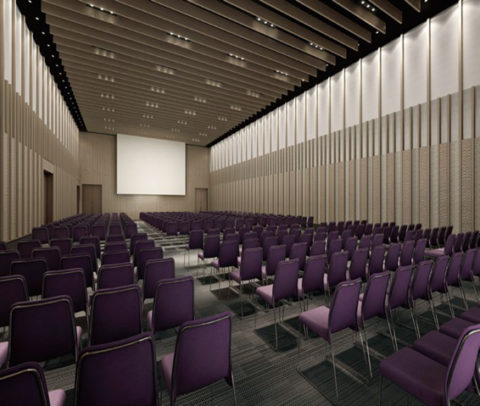
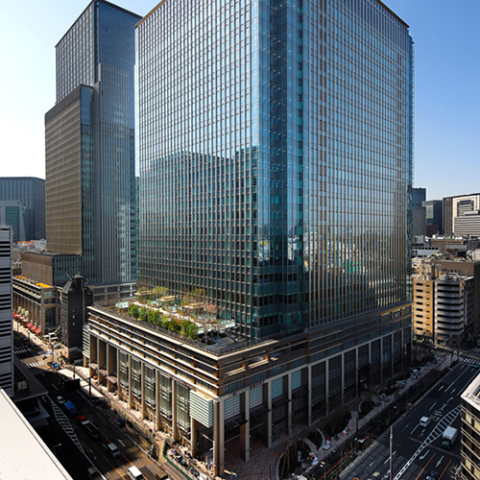
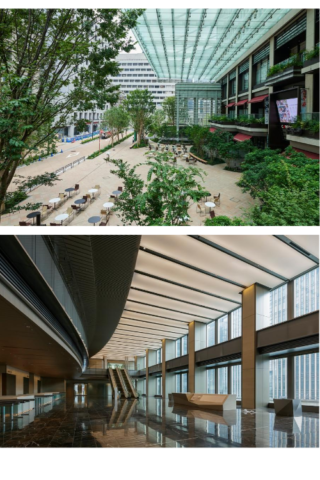
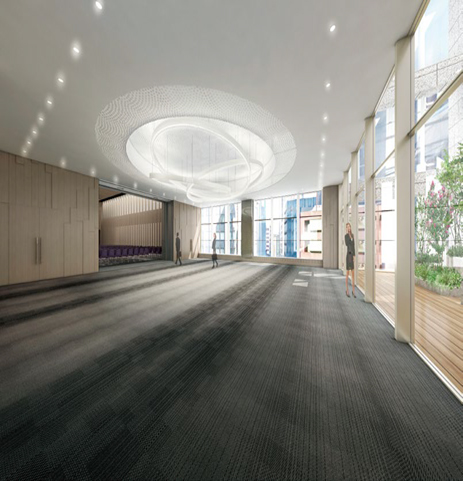
The newest component of Mitsui Fudosan’s substantial portfolio of properties in Tokyo’s ultra-prime Nihonbashi district, the recently-completed Nihonbashi Muromachi Mitsui Tower is a 26-storey, mixed-use office building featuring high grade offices, a convention centre, and a well-rounded assortment of retail and restaurant offerings.

Featuring large, highly-efficient floor plates (according to the developer, the largest standard-floor exclusive areas in the Tokyo metro area), the tower also incorporates the latest sustainability initiatives in terms of building specifications, technology, and energy performance ratings. These include the latest seismic features, such as structural control oil dampers to reduce building sway during Tokyo’s frequent earthquakes.

While the architecture was variously described by the jury as “timeless”, “harmonious”, “beautifully detailed” and “premium mainstream”, there was also a sense (common to Tokyo generally) of a somewhat “conservative”, “traditional”, and even “a bit dated” approach. Notwithstanding this, the Tower was seen as “an exemplary office building built to premium standards of any building in the world, with the highest grade of technologies and finishes”.

Given that central Tokyo is full of similarly highly-rated office buildings, however, even the finest facilities can find it difficult to stand out. What swayed the jury in this case was the way the Tower has been integrated by the developer as a key part of a long-term master plan—already almost two decades in the making—to reinvent the contiguous 15-20 blocks of the local neighbourhood as a modern, smart, and resilient district.

The developer has upgraded its Nihonbashi assets with an eye to recapturing the area’s past energy, in particular by preserving or reviving historic shops and alleyways dating back to the Edo period in the early 18 th century. Other landlords in the area have followed suit, implementing changes focused on placemaking and making both their own properties and the overall neighbourhood more user-friendly.
Nihonbashi Muromachi Mitsui Tower-Combined

Future plans include creation of a riverside park that will extend 1.2km along the Nihonbashi river after the Shuto expressway (which currently extends over the top of the river) is rerouted underground.

The jury noted that, while smart city projects are quite common in the context of greenfield or campus projects, implementing them in a dense urban context that is already integrated into the existing city fabric is much different challenge, and the developer’s dedication to pursuing such a constantly evolving project is a commendable commitment.

Another aspect that reflects the building’s community-oriented focus is the creation of the ‘Nihonbashi Smart Energy Project’ in collaboration with the Tokyo Gas Company. Following the lead of similar projects in other parts of Tokyo, Mitsui Fudosan has installed a large-scale gas cogeneration energy plant in the building basement. This power plant is capable of providing power and heat to 20 neighbouring buildings featuring total floor space of some 1 million square metres.

While the highly-efficient plant is stated to result in a 30 percent reduction in CO2 emissions, the main appeal of such systems, as proven during the Great East Japan Earthquake in 2011, is their ability to provide redundant power supplies to local neighbourhoods should the national or metropolitan grids be knocked offline during a natural disaster.

While operational co-gen facilities of this type currently represent only the tip of the iceberg compared to the city’s total power demand, more such plants are now being rolled out in various parts of the city for the same purpose, creating a patchwork of alternative energy networks that will protect local neighbourhoods once Tokyo’s next big earthquake inevitably arrives.
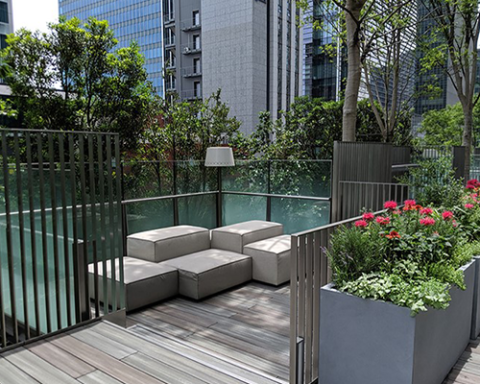
Nihonbashi Muromachi Mitsui Tower


Nihonbashi Muromachi Mitsui Tower


REImagine Winners

View all thirteen winners for the 2020 ULI Asia Pacific Awards for Excellence.

Subscribe for content shaping tomorrow's built environment

ULI Logo

The mission of the Urban Land Institute:
Shape the future of the built environment for transformative impact in communities worldwide

Join ULI

About Us

  • Mission
  • Leadership
  • Careers
  • Contact Us

Events

  • APAC Summit 2026
  • Upcoming Events
  • REImagine
  • Regional Conferences

Join ULI

  • Membership
  • Member Benefits
  • Corporate Partnerships
  • Frequently Asked Questions

Research

  • Capital Markets
  • The Centre for Housing
  • Sustainability
  • Technology and Innovation
  • Development Case Studies
  • Bookstore

Programmes

  • Product Councils
  • Local Councils
  • Advisory Services
  • Awards and Competition
  • ULI Learning
  • UrbanPlan
  • Women’s Leadership Initiative
  • Young Leaders Group
ULI Logo

©2026 Urban Land Institute. All Rights Reserved. Legal Notices

Visit ULI on YouTube Visit ULI on X Visit ULI on Facebook Visit ULI on X

Urban Land Institute

UNIT 902, THE EXECUTIVE CENTRE
28 STANLEY STREET, CENTRAL
HONG KONG SAR

Customer Service

Phone: +852 2886 1620

Email: [email protected]

©2026 Urban Land Institute. All Rights Reserved. Legal Notices

Sign in with your ULI account to get started

Forgot password?

Don’t have an account? Sign up for a ULI guest account.
